Hey there, if you’ve been deep in the weeds of planning a modern kitchen, you’ve probably stared at a dozen countertop samples at this point, right? Maybe you’re weighing quartz vs. granite vs. solid surface, or even wondering if that trendy marble look is worth the upkeep. As someone who’s been in the engineered quartz game for over a decade—running the supplier side, not just selling it—I get all the questions, the hype, and the weird rumors people spout about quartz. Let’s cut through the noise and talk real talk: is engineered quartz actually a good pick for a modern kitchen? Spoiler: it’s not for everyone, but it’s way better than most people give it credit for, especially for how we actually live now. Engineered Quartz
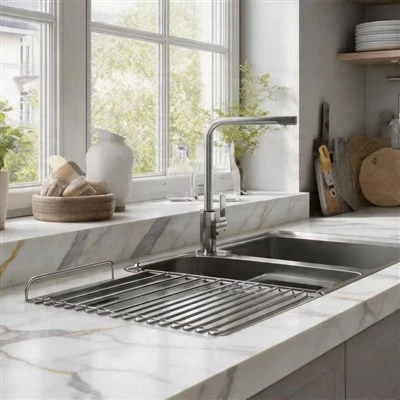
First, let’s get one thing straight—engineered quartz isn’t “real quartz,” and that’s not a bad thing. It’s a man-made material, but let’s break down what it’s actually made of: usually 90-93% crushed natural quartz (the stuff that makes up most granite, sand, and even your watch crystal) mixed with 7-10% polymer resins, pigments, and binders. I know, some purists side-eye man-made materials, but let’s compare that to what you’d get with natural stone, which is only 20-60% quartz, plus feldspar, mica, and other minerals that can cause problems. That high quartz content is why quartz does so many things well that natural stone can’t, especially for a busy modern kitchen.
Modern kitchens aren’t just for cooking anymore, right? They’re where you eat breakfast, do homework, work from a laptop while boiling pasta, and host impromptu game nights. A lot of people pick their countertop based on Instagram photos of perfectly styled minimalist kitchens, but they forget 90% of the time, it’s just you spilling coffee, dropping a can of beans, and using the edge as a cutting board (don’t lie—we’ve all done that). That’s where quartz shines. Unlike natural stone, quartz is non-porous. No, that isn’t a sales pitch buzzword. Non-porous means it doesn’t have tiny little holes or pits where bacteria can hide, or where red wine or olive oil can seep in and stain for good. I’ve had customers call me panicking after they spilled a full bottle of cabernet on their new quartz countertop at a housewarming—they wiped it up in 10 seconds, no permanent mark. With granite, even a sealed slab, you’d be scrubbing for an hour and still have a dark spot. Same with marble—unless you seal it every 6 months, it’ll etch from lemon juice or red wine, and once that’s there, it’s basically permanent.
Speaking of scratches—another big one for people who are scared quartz is super soft. Yeah, it has a resin binder, but that high quartz content makes it way harder than you think. It scores high on the Mohs hardness scale—around 7, same as a streak of glass, and way higher than marble (a 3) or even granite, which is usually around 5-6. What does that mean for real life? You can drag a pot across it, set a hot pan down (wait, hold on—don’t go setting a 500°F cast iron skillet directly on quartz every day, okay? The resin can take sudden extreme heat, but not constant. We always recommend a trivet, and most manufacturers back that up, but compared to marble, which will burn if you so much as set a pizza stone on it, quartz is way more forgiving. I’ve had a customer who’s had their quartz countertop for 8 years, and the only scratch they have is from when their kid dropped a metal toy truck—nothing that’s noticeable unless you’re leaning right over it. Compare that to my sister’s granite countertop, which has a dozen light scratches from her knife blocks and can openers.
Now, the big selling point for modern kitchens: looks. The whole point of a modern kitchen is clean lines, consistent finishes, and not having to deal with weird natural grain inconsistencies that make the space feel cluttered. Quartz is customizable, right? You can get it in literally every color you want, from stark white and soft gray to matte black, even the exact veining that looks like marble, but without the etch risk or high price tag. Wait, that’s the thing—quartz is a great alternative to high-end marble and granite, and it’s actually more consistent. Natural stone slabs vary wildly from one batch to the next—you might get a slab that has a huge dark spot dead center, or veining that clashes with your cabinetry. With quartz, every slab is exactly the same, so when you’re planning a kitchen, you don’t have to stress about picking a slab that matches the sample you fell in love with. That’s a huge win for modern design, where consistency and intentionality are key.
But let’s be real—no material is perfect, and quartz has its downsides, especially if you’re the type of person who cares super deeply about “natural” products. A lot of eco-conscious customers push back on engineered quartz because it’s man-made, and some of the older resin formulas used volatile organic compounds (VOCs) that can off-gas, especially when they’re installed. Wait, but that’s outdated info. Most reputable quartz manufacturers now use low-VOC resins, and if you pick a certified product, the off-gassing is minimal—way less than what you’d get from a lot of other cabinetry or paint. Also, mining natural stone takes a bigger environmental toll in some cases—quarries can disrupt local ecosystems, and transporting heavy slabs burns way more fuel than engineered quartz, which is made in factories close to most markets. But I get it, if you’re dead set on 100% natural, quartz isn’t for you, and that’s okay.
Another downside: quartz is pretty heavy. Like, really heavy. A standard 3cm quartz countertop can weigh up to 20 pounds per square foot, so if you’re doing a full kitchen, you need a solid, properly supported base. We always tell customers to make sure their cabinetry is rated for the extra weight—most modern cabinetry is, but if you’re retrofitting an old kitchen, you might need to add extra supports, which is a small extra cost but worth it to avoid sagging. Also, quartz is not cheap—entry-level quartz is comparable to mid-range granite, but the high-end, matte, or specialty quartz can be more expensive than marble. But think about the long game: quartz doesn’t need sealing every 6 months like granite or marble, it doesn’t stain, it doesn’t etch, so over 10 or 15 years, it’s actually way more cost-effective because you don’t have to do regular maintenance. I’ve had customers swap out their quartz countertops after 20 years because they were renovating, not because the quartz was worn out—compared to marble, which they’d have to re-seal every year, that’s a huge saving.
Wait, let’s talk about real customer stories, not the sales fluff. Last year, I worked with a couple in Brooklyn who were renovating their tiny apartment kitchen—they wanted something that looked sleek but could handle their 3 year old and their dog, who thinks the kitchen is his personal eating area. They picked a solid white quartz with a matte finish. 18 months later, they reached out saying they thought their countertop was ruined—turns out, their kid spilled a whole sippy cup of grape juice, and it dried, leaving a faint spot. We wiped it down with a mild, non-abrasive cleaner (wait, important: don’t use bleach or harsh oven cleaners on quartz, that can discolor the surface) and it was gone in 10 seconds. They told us they would have panicked with their old marble countertop, which they had to replace 5 years prior because it got stained and etched so bad it looked yellowed.
Another customer: a small bakery owner who needed durable counters for her kitchen. She picked a dark gray quartz with a subtle fleck, because it’s resistant to the flour and dough that gets dragged across it, and it doesn’t show crumbs or stains as much as white. She’s had it for 4 years, and says it’s way easier to clean than the stainless steel she used before, and way more forgiving if she drops a mixing bowl (which she does, weekly). That’s the thing about modern kitchens—they’re high-traffic, multi-use spaces, and quartz is built for that, not just for show.
A lot of people also ask about matte vs. polished quartz, which is a big trend right now. Modern design is leaning away from the high-shine, reflective surfaces of the 2000s, and matte quartz is perfect for that. Polished quartz shows every fingerprint and water spot, matte hides them. That’s not just a sales trick—for people who don’t want to spend 10 minutes wiping down their counters every morning, matte quartz is a game changer. We’ve seen a huge surge in requests for matte quartz over the past 3 years, because people want a clean, uncluttered look without the upkeep.
But wait, what about if you’re someone who loves DIY projects? Can you install quartz yourself? I’d say no, and that’s not just because I’m a supplier—quartz is heavy, it needs to be cut with specialized tools, and if it’s not installed properly, it can crack or have gaps that let moisture get under it. Most contractors who work with countertops know how to install quartz correctly, and it’s way less finicky than natural stone for installation. Also, most manufacturers offer a 10 to 15 year warranty on quartz, which is way better than the limited warranties you get on some natural stone slabs, as long as you follow the care instructions.

Let’s wrap this up. Is engineered quartz a good choice for a modern kitchen? If your priorities are durability, low maintenance, consistent looks, and a surface that can handle the chaos of daily life—spills, dropped pots, kid messes, all of it—then hell yeah, it’s a great choice. It’s not for everyone: if you want a 100% natural, organic material, it’s not for you. If you’re on a super tight budget, the entry-level options might have more limited color choices than natural stone. If you hate the synthetic look, maybe it’s not for you. But for 90% of the homeowners and small business owners I work with, quartz checks all the boxes that a modern kitchen needs: it looks clean, it works hard, and you don’t have to stress about it.
Quartz Slab Sizes If you’re in the middle of planning your kitchen and want to ask more questions, check samples, or get a quote for your space, hit us up. We work with contractors, designers, and homeowners all over, and we’re happy to walk you through the different options, answer any weird questions (like “can I put a instant pot directly on quartz?” or “does quartz hold up to cat scratches?”), and help you pick the right material for your needs. No pressure, no salesy pitches, just real talk about what works for your kitchen.
References
- Natural Stone Council. (2022). Countertop Material Comparison: Quartz vs. Natural Stone. Retrieved from industry technical reports on engineered surfacing materials
- Architectural Digest. (2023). Modern Kitchen Design Trends: 2024 Edition.
- Engineered Stone Association. (2021). Care and Maintenance Guidelines for Engineered Quartz Surfaces.
Wuhu Junde New Material Technology Co., Ltd.
As one of the most experienced engineered quartz manufacturers and suppliers in China since 1998, we warmly welcome you to wholesale top-quality engineered quartz made in China here from our factory. If you have any enquiry about cooperation, please feel free to email us.
Address: No.8 Yulin Road, Xinwu Economic Development Zone, Anhui Province, China
E-mail: 1127319898@qq.com
WebSite: https://www.jundequartz.com/
