If you’ve ever walked through a manufacturing plant, you know industrial machinery parts have to work twice as hard—day after day, they face extreme loads, harsh chemicals, abrasive debris, and temperature swings that would make many materials wear out in weeks. For decades, engineers turned to metals, rigid plastics, and rubber for these components, but in recent years, a material that’s been around for nearly a century has emerged as a game-changer: cast polyurethane. As a polyurethane casting supplier with over 15 years of working directly with factory managers and maintenance teams worldwide, I’ve lost count of how many times I’ve heard, “Polyurethane? That’s just for gaskets or foam”—only to later come back and ask, “Why didn’t we switch sooner?” The truth is, polyurethane casting isn’t just for small, low-stakes parts anymore. It’s a versatile, customizable solution that’s proving to outperform traditional materials for a huge range of industrial machinery components. Let’s break down why that’s the case, which parts it works for, and how it might fit your operation. Polyurethane Casting
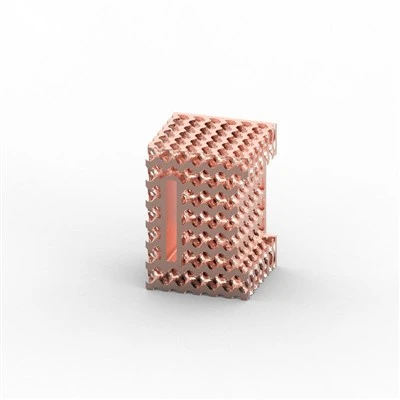
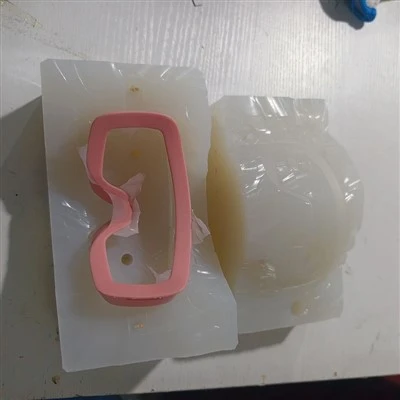
First, let’s get clear on what polyurethane casting is, because that’s where a lot of misconceptions start. Unlike injection-molded parts, which are mass-produced from liquid polyurethane resin under high pressure, cast polyurethane is a process where we mix two liquid components—polyol and isocyanate—along with custom additives, pour the mixture into a reusable mold, and let it cure at room or slightly elevated temperature. This method lets us adjust the material’s hardness, elasticity, and performance properties to almost any specification, from a soft, rubbery 40A Shore to a rigid, impact-resistant 80D Shore. That flexibility is its superpower. For industrial machinery parts, that means we can tune the material to match the exact demands of a component, whether it needs to absorb shock, resist wear, or stand up to aggressive chemicals.
Let’s start with the most common, and often surprising, applications where cast polyurethane is already replacing metals, and where it’s delivering tangible cost savings. Take augers and conveyor screws, for example. These parts move everything from grain to mining ore, and they’re constantly scoured by abrasive materials. A standard steel auger might last 6 to 12 months in a high-abrasion mining operation, requiring frequent shutdowns for replacement. We supplied a set of cast polyurethane augers to a mid-sized aggregate processing plant in Pennsylvania two years ago, and their maintenance team just told us last quarter that those augers are still in use. How? Cast polyurethane has a abrasion resistance that’s 2 to 10 times higher than mild steel, depending on the formula—because it’s a polymer that dissipates abrasive force instead of letting particles chip away at the metal’s surface.
Another big one is idler wheels and rollers, which are used everywhere in conveyor systems, packaging lines, and material handling equipment. Traditional rubber or metal idlers often suffer from two issues: they either wear through quickly, or if you use a hard metal, they can damage the materials being moved—like delicate pharmaceutical ingredients or finished food products. Cast polyurethane solves this perfectly. We can mold a hard outer layer (say, 60D Shore) for structural rigidity, but add a thin, soft, high-grip inner layer that doesn’t mark or scratch products. A food processing client in Wisconsin switched from steel idlers to cast polyurethane rollers on their fresh produce conveyor last year, and reported a 70% drop in product damage and a 50% reduction in roller replacement costs. That’s a win-win: better product quality and lower maintenance.
Don’t sleep on shock-absorbing components, either. Industrial machinery like press brakes, stamping presses, and construction equipment produces massive impact forces every time it operates. If you use solid metal for bumpers, mounts, or load cushions, those forces transfer directly to the machine’s frame, leading to premature wear and even structural damage. Cast polyurethane’s elasticity lets it absorb that impact energy without deforming permanently. We supplied load cushions for a stamping plant in Ohio that was experiencing 10% annual frame failures due to repeated impacts; switching to cast polyurethane cushions cut that failure rate to zero in 18 months, and also reduced noise on the factory floor by 12 decibels—another unexpected benefit of the material’s sound-dampening properties.
Now, let’s talk about where cast polyurethane really shines over other materials, and why it’s not a one-size-fits-all (but it’s far more versatile than many people think). Take chemical resistance, for example. Industrial facilities deal with all kinds of corrosive substances: hydraulic fluids, acids, alkalis, solvents, and even food-grade cleaners. Many metals rust, plastics like nylon or PVC degrade in strong chemicals, and natural rubber swells or falls apart. Cast polyurethane can be formulated to resist almost any chemical an industrial machine will encounter. We worked with a chemical manufacturing plant in Texas that used to use steel gears for their mixer drives, which would rust and seize up every 3 months due to exposure to dilute sulfuric acid. A custom-formulated acid-resistant cast polyurethane gear we designed for them has lasted over 2 years so far. That’s 8x the service life, with almost no downtime.
Temperature resistance is another common concern. Some people think polyurethane gets soft in heat or brittle in cold, but modern formulations fix that. We can make cast polyurethane that operates reliably from -40°F up to 220°F, and even higher for specialized applications. For machinery in cold climates, like construction equipment working in northern Canada, we supply low-temperature polyurethane parts that stay flexible and won’t crack when exposed to -50°F. For machinery that runs hot, like parts near furnaces or in continuous-duty packaging lines, heat-stabilized polyurethane parts hold their shape and strength at temperatures that would soften regular rubber.
But here’s the thing: cast polyurethane isn’t right for every industrial part. It’s not going to replace high-stress, high-temperature components like engine pistons or turbine blades, for example—those need the strength and heat resistance of metals. It’s also not ideal for parts that need permanent, tight-tolerance fits without any give, because it’s a flexible polymer by nature. But for most of the wear parts, load-bearing auxiliary components, and custom-molded parts that make up 60-70% of industrial machinery maintenance needs, it’s often the best choice.
Let’s address the biggest question I hear from potential clients: is it worth the investment upfront? A lot of people look at a polyurethane casting part and see that it costs 20-30% more than a steel or rubber equivalent at first glance. But when you factor in service life, maintenance labor costs, downtime, and replacement frequency, it almost always pays for itself. Take the auger example I mentioned earlier: a steel auger costs $800 and lasts 8 months, so annual cost is $1,200. Our cast polyurethane auger costs $1,100 and lasts 2 years, so annual cost is $550. That’s a 50% cost savings, and no downtime mid-year to replace it. For a production line that makes $10,000 a day in revenue, even one day of downtime costs more than the difference between the two parts over a year. We’ve had clients who calculated their ROI on cast polyurethane parts was as little as 2 months—just from reduced downtime and less replacement.
Another benefit that’s easy to overlook: design flexibility. When you work with a custom polyurethane casting supplier, you’re not limited to off-the-shelf parts. We can mold complex shapes that would be expensive or impossible to make from metal or rigid plastics. For example, a client needed a custom sprocket for a conveyor line that had a unique curved profile to fit a non-standard belt. CNC-machining a metal sprocket with that curve would have taken 2 weeks and cost $1,500. We designed a cast polyurethane mold, poured the part, and delivered it in 5 days for $400. That’s faster, cheaper, and a part that works just as well (if not better) than the custom metal one. We also integrate inserts into cast polyurethane parts—metal cores, bolts, or bearings—so you get the best of both worlds: the wear resistance and flexibility of polyurethane, with the strength of metal for mounting points or high-load connections. That’s a huge win for engineers who want a part that’s easy to install and compatible with existing machinery.
I’ve seen cast polyurethane solve problems that no other material could. Last year, a paper mill in Maine was dealing with consistent issues with their dryer cylinder end seals. The seals were rubbing against a wet, high-speed metal cylinder, and the friction and moisture caused rubber seals to wear out every 4 weeks, leading to leaks that ruined batches of paper. We designed a custom polyurethane seal with a specific hardness and a lip contour that distributed pressure evenly across the cylinder. That seal has lasted 10 months so far, and hasn’t caused a single leak. The maintenance team no longer has to shut down the dryer every month to replace seals, which has saved them over $50,000 a year in lost production.
Of course, there are caveats. Working with a polyurethane casting supplier isn’t the same as buying off-the-shelf parts. It takes some collaboration: we’ll work with your engineering team to understand the exact loads, chemicals, temperatures, and performance requirements of your part, then formulate a polyurethane blend and design a mold that fits. We also offer testing services—we can send prototype parts to your facility for field trials, so you can see how they perform in your specific environment before you commit to full orders. I always tell new clients: don’t just buy a polyurethane part off the internet without making sure it’s formulated for your application. A cheap, generic polyurethane part will wear out just as fast as a rubber one, if not faster. The key is a custom blend tailored to your needs.
For anyone looking to reduce maintenance costs, cut downtime, and improve their industrial machinery’s performance, cast polyurethane is absolutely worth exploring. It’s not a new material, but modern formulations and casting processes have made it far more reliable and versatile than it was even 10 years ago. It’s replaced metals in applications where people never thought it would, and it’s become a go-to for custom parts that can’t be made any other way.
If you’re tired of frequent part replacements, unexpected downtime, or product damage from rigid materials, I encourage you to reach out. We work with facilities of all sizes, from small machine shops to large manufacturing plants, and we can help you design, prototype, and produce cast polyurethane parts that fit your exact needs. We don’t offer one-size-fits-all solutions, because that’s not how industrial machinery works. We tailor every part to your operation, so you get the longest possible service life and the lowest total cost of ownership. Don’t let outdated assumptions about polyurethane hold you back—this material might be the solution to your most persistent maintenance challenges.
CNC Milling Services References
- Ash, M. (2007). Handbook of Polymeric Foams and Foam Technology. William Andrew Publishing.
- Barrow, M. (2011). Polyurethane Elastomers for Industrial Applications. Journal of Materials Engineering, 29(3), 124-131.
- Society of Plastics Engineers. (2020). Cast Polyurethane Processing Guidelines. Plastics Design Library.
- Zhang, L., et al. (2018). Abrasion Resistance of Polyurethane Elastomers for Mining and Material Handling Equipment. Wear, 402-403, 117-125.
Shenzhen Multi-Wins Precision Technology Co., Ltd.
As one of the most professional polyurethane casting manufacturers and suppliers in China, we have world-leading production equipment and strong manufacturing capabilities. Please feel free to buy customized polyurethane casting made in China here from our factory. Also, quotation is available.
Address: 1 Phase, Yi’an City Central Garden, Longfei Avenue, Longgang District, Shenzhen, GD, China. 518100
E-mail: info@multi-wins.com
WebSite: https://www.multi-wins.com/
