If you’ve ever stood in a beauty supply aisle or your bathroom cabinet staring at a jar of cream, wondering why some twist open easily with your fingers and others require a fingernail or a small tool to pry, you’ve bumped into the quiet little divide that shapes how you use your favorite skincare and makeup: wide-mouth vs. narrow-mouth cosmetic jars. As someone who’s been supplying wide-mouth cosmetic jars for over a decade, I’ve fielded dozens of questions from small skincare brands, indie makeup creators, and even big-name formulators who are trying to pick the right jar for their product—most of them starting with that exact question: what’s the actual difference, beyond the obvious gap in the opening? It’s not just a trivial design choice, either. This gap shapes everything from how you (the end user) applies your product, how much of it goes to waste, and even how a brand chooses to formulate their goods. Let’s break it down, no jargon, no overcomplicated diagrams, just real-world stuff I’ve learned from working with jars that hold everything from thick shea butter face balms to lightweight gel serums. Wide-mouth Cosmetic Jar

First, let’s get the basic definitions out of the way, because you’d be surprised how many people mix these two up. A narrow-mouth cosmetic jar has an opening that’s usually 2 to 5 centimeters in diameter—small enough that you can barely fit the tip of your index finger inside, or a standard makeup spatula. Wide-mouth jars? Their openings top out at 7 to 12 centimeters, so a whole adult finger fits easily, or even two for scooping out thick products. But that number doesn’t tell half the story. The gap between those sizes changes the entire user experience, and that’s where most of the value (or frustration) comes in.
Let’s start with the biggest difference: product accessibility and waste. I remember early on, when I was working with a small brand that sold whipped body butter. They insisted on narrow-mouth jars because they thought they’d look more “luxury.” Within three months, they were back, frustrated because customers kept leaving half their jar unused. Why? Whipped body butter is dense, it’s got a rich texture that clings to surfaces. A narrow opening meant that when a customer stuck a finger in, they’d inevitably scrape the edges of the opening, leaving a ring of butter stuck to the inside rim, or they’d have to dig hard to reach the product at the bottom—only to end up with lumps of butter all over their countertop, or even on the packaging label. That waste added up fast: one customer might leave 10% of a jar unused, and across 10,000 sales, that’s 1,000 jars of product going straight to the garbage, plus the brand losing repeat customers because they couldn’t figure out why their jar was so hard to use. Wide-mouth jars eliminate that problem entirely. The opening is wide enough that you can reach all the way to the bottom with your fingers, a spatula, or even a clean spoon, so there’s no more scraping edges or leaving product stuck where you can’t get to it. For thick, high-viscosity products like body butters, face balms, hair pomades, or clay masks, that’s not just a convenience—it’s a major factor in customer satisfaction. I’ve had brands tell me switching to wide-mouth cut their customer complaints about packaging by 40% in the first six months. That’s a big win, especially for small brands that live or die by word of mouth.
But it’s not all about thick products. Narrow-mouth jars do have their place, and that’s where people get confused—they assume wide-mouth is always better, but that’s not true. Narrow-mouth jars are designed for products that are thinner, or that you don’t want to expose to air too often. Let’s say you’ve got a lightweight serum, or a liquid foundation in a jar, or even a facial oil. The small opening means that when you twist the lid off, only a tiny amount of air gets inside the jar each time you use it. That’s a big deal for product shelf life. Exposure to oxygen is one of the fastest ways to make skincare go bad—oxidation breaks down active ingredients like vitamin C, retinol, and hyaluronic acid, turning a bright, effective serum into a dull, less potent product in a few months. A narrow-mouth jar keeps air exposure minimal, so those active ingredients stay good longer. That’s why you’ll find lots of high-end serums and liquid makeup in narrow-mouth jars. The tradeoff, though, is accessibility. If you have a thick night cream in a narrow-mouth jar, you’re going to be fighting to get it out, and that leads to waste, like we talked about earlier.
Next up: application ease and accuracy, which ties into both who’s using the product and how. Let’s think about kids’ skincare, or products for people with limited dexterity—like someone with arthritis, or a parent applying product to a fussy toddler’s skin. A narrow opening requires you to have steady hands, or to use a small tool to get the product out, which can be hard if your hands shake or you’re working with a wiggly kid. A wide-mouth jar lets you scoop out a precise amount easily, without fumbling with a tiny spatula. I’ve had a client who makes eczema creams for kids tell me switching to wide-mouth jars doubled their sales to parents, because so many said the narrow jars were impossible to use on a wiggly toddler. On the flip side, narrow-mouth jars are great for products where you only need a tiny amount. A pea-sized amount of eye cream, for example—you can tilt a narrow-mouth jar slightly, and just a drop or two comes out, no waste, no over-applying. With a wide-mouth, you might scoop out way more than you need, leading to product going bad faster because you left a glob out, or just wasting product. That’s why lots of eye creams, serums, and lightweight gels stick to narrow-mouth.
Then there’s packaging and design, which is a quieter difference but still important for brands. Narrow-mouth jars are often more compact, which is good for travel. They fit easier in small makeup bags or carry-ons, and they’re less likely to spill if you accidentally knock them over—since the opening is small, even if the lid comes loose, not much product will leak out. Wide-mouth jars are bulkier, so they’re less travel-friendly, but they do give brands more room to play with design. You can have a wider lid with a bigger logo, or add details like a built-in spatula right on the lid edge, which you can’t do as easily with a narrow opening. Also, wide-mouth jars are sturdier for thicker products, because the base is usually a bit wider too, so they don’t tip over as easily on a bathroom counter—something I see a lot of customers complain about with narrow-mouth jars, especially if they’re holding thicker, heavier products like body butter.
Wait, let’s not forget about custom formulation, which is a big one for brands. When a formulator is creating a product, they have to pick a jar that matches the product’s texture and intended use. If a formulator makes a thick shea butter balm, for example, they’re going to choose a wide-mouth jar, because otherwise the product will be impossible to access. If they’re making a vitamin C serum, they’ll go narrow-mouth to minimize air exposure. That’s why you almost never see a thick body butter in a narrow-mouth jar—no formulator would sign off on that, because it’s a guaranteed customer frustration. As a wide-mouth jar supplier, I work with formulators all the time to adjust the opening size, the jar depth, even the lid type—like a flip-top lid or a screw-on lid with a seal—so it fits their exact product. We once worked with a brand that made a 100% vegan hair mask that was so thick, their original wide-mouth jar was still leaving them with some product waste, so we adjusted the opening to be a centimeter wider and added a ribbed rim that made it easier to scrape the edges without leaving product behind. That’s the kind of small detail that makes a big difference for both the brand and the customer.
I’ve also learned a lot from customer feedback over the years, because brands are happy to pass that along to me. One of the most common complaints about narrow-mouth jars is “product gets stuck at the bottom.” I’ve had customers send me photos of jars where they can see a whole layer of body butter at the bottom, just out of reach, because the narrow opening means even a long spatula can’t get all the way down. With wide-mouth jars, that’s almost never an issue—you can fit a long spatula through the opening, or even a flexible spatula that bends to reach the very bottom of the jar. Another common complaint is mess. A narrow opening means you have to stick your whole finger in to get product, which can get product all over your nails, or even on your wrist if you’re not careful. Wide-mouth jars let you scoop product out from the edge, so you’re less likely to make a mess on your hands or counter. That’s huge for people who are in a hurry—like applying moisturizer after a shower, when you’re already rushing to get dressed.
Of course, there are exceptions, and that’s what makes this choice not one-size-fits-all. I recently worked with a brand that makes a hybrid product: a cream that’s thick enough to be a face moisturizer, but light enough that you can apply it with your fingers. They tried both narrow and wide-mouth jars, and found that a medium opening (around 6 centimeters) worked best for them—narrow enough to keep some air out, wide enough to reach the product easily. That’s the beauty of working with a supplier that’s not just selling you a standard jar, but can customize the size to fit your exact needs. A lot of new brands don’t realize that you don’t have to pick a standard 3cm narrow or 8cm wide—there’s a middle ground, too, depending on your product.
Another thing to consider is sustainability, which is a huge topic right now in the cosmetic industry. Customers are more aware than ever of packaging waste, and they’re looking for brands that choose packaging that’s not just good for their product, but good for the planet. Wide-mouth jars, because they reduce product waste, are often more sustainable than narrow-mouth jars for thick products. If a customer only uses 80% of a narrow-mouth jar’s content, that’s 20% of product and packaging going to waste—plus, if the jar is plastic, that’s extra plastic that ends up in landfills. With a wide-mouth jar, that waste drops to almost zero, so it’s a better choice for brands that want to position themselves as eco-friendly. I work with a lot of brands that switch to wide-mouth for that exact reason, citing reduced product waste as a key part of their sustainability goals.
At the end of the day, the difference between a wide-mouth and narrow-mouth cosmetic jar boils down to three core factors: what product you’re putting inside, who’s going to use it, and what experience you want that user to have. If you’re making a thick, easy-to-scoop product like body butter, hair mask, or clay mask, wide-mouth is almost always the right call—it cuts waste, makes the product easier to use, and keeps customers happy. If you’re making a thin, air-sensitive product like a vitamin C serum, eye cream, or liquid makeup, narrow-mouth is better for preserving the product’s potency and shelf life. And if you’re somewhere in the middle, there’s a custom-sized opening that fits your needs perfectly.
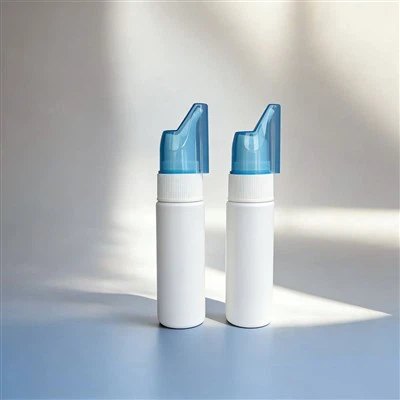
As someone who’s been in this industry for years, I’ve seen how choosing the right jar can make or break a product. I’ve worked with small startups that went from barely selling a product because of the wrong jar, to doubling their revenue after switching to wide-mouth. I’ve also seen brands that wasted thousands of dollars on narrow-mouth jars for thick products, only to have to replace all their packaging three months later because of customer complaints. That’s why I always tell brands not to just go with what looks nice, or what’s the cheapest standard option—think about how your customer is going to use your product. If you wouldn’t want to dig through a tiny opening to get to your face cream, chances are your customer won’t either.
PP Bottle If you’re a brand looking for a cosmetic jar that fits your product perfectly, whether that’s a wide-mouth for thick creams, or a custom-sized narrow-mouth for serums, I’m here to help. We work with brands of all sizes, from indie startups to established beauty lines, to create jars that match your product, your budget, and your customer’s needs. Let’s talk about your next project—we can walk through options, adjust sizes, and make sure your packaging works as hard as your product does.
References
- Cosmetic Packaging Association. (2022). Material and Design Trends in Clean Beauty Packaging.
- International Journal of Cosmetic Science. (2021). The Impact of Packaging Design on Product Shelf Life and Consumer Satisfaction for Topical Skincare Products.
- National Center for Biotechnology Information. (2020). Oxidation in Topical Cosmetics: Causes, Prevention, and Packaging Solutions.
- Beauty Industry Sustainability Report. (2023). Reducing Product and Packaging Waste in Personal Care Products.
Taizhou Fuyan Trading Co., Ltd.
As one of the most professional wide-mouth cosmetic jar manufacturers and suppliers in China, we’re featured by quality products and good service. Please rest assured to wholesale bulk wide-mouth cosmetic jar in stock here from our factory. Customized orders are welcome.
Address: Lupu Small and Micro Industrial Park, Lupu, Yuhuan City, Zhejiang Province
E-mail: taizhoufuyan@outlook.com
WebSite: https://www.fuyantrading.com/
