Hey there, if you’ve ever sat through a gig, play, or even a school play where the curtains look like they’re barely holding up, or you’ve left a show thinking, “Wait, why was that sound so echoey?” – I get it. As a stage curtains supplier, I’ve heard it all: the frustrations of cheap curtains that fray after a few months, the headache of adjusting lighting that bleeds onto the audience, or the way a tiny draft can ruin a quiet monologue. That’s why I swear by double-layer stage curtains, and if you’ve been sticking to single-layer stuff ‘cause it’s what you’ve always done, you’re missing out on way more than you think. Let me break this down like I would with a venue manager who’s just trying to make their space work, no fancy jargon, just real benefits that actually move the needle. Stage Curtains
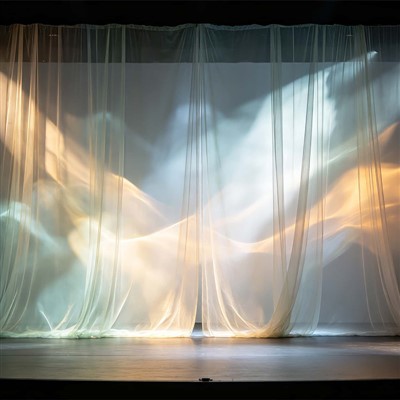
First off, let’s talk about something no one wants to admit they’re stressed about: light control. If you’re doing a theater production, a concert, or even a corporate keynote, lighting is everything. Single-layer curtains? They’re basically see-through when you crank up the stage lights. Half the time, the audience at the back is squinting ‘cause the backdrop is glowing, or you’ve got that annoying “bleed” where set lights shine through and wash out the whole vibe. Double-layer curtains solve this ‘cause you’ve got two separate fabrics, usually a light-blocking blackout layer and a decorative front layer (like velvet or satin). I’ve had a client host a Broadway preview night where they switched from single-layer to double-layer, and they told me the lighting team cut their setup time by 20 minutes – no more taping black fabric over gaps, no more adjusting angles just to avoid curtain glow. Even for smaller spaces, like a community center that does local plays, this is a game-changer. You can run a matinee in bright daylight without the audience seeing the stage, and switch to a warm, fancy front layer for evening shows, all without rehanging a ton of stuff. And don’t get me started on blackout layers – if you’re filming a live stream of your show, single-layer curtains cause weird light flares on camera. Double layers? That’s a solved problem, trust me.
Next up, sound control. This is the one people overlook until they’re in the middle of a rehearsal and every echo makes the actors’ lines sound like a jumble. Single-layer curtains are thin – they’re great for looking nice, but they do almost nothing to muffle noise. If you’re in a space with hard walls (like a gym or a old theater), echo is non-negotiable. Double-layer curtains have an air gap between the two fabrics, right? That gap is key for sound absorption. I had a school client last year who was dealing with so much echo during their spring musical that the drama kids could barely hear each other on stage. We swapped their old single-layer drapes for double-layer ones, and after the first rehearsal, their director texted me like, “Wow, the lines are so much clearer – I don’t have to yell over the room anymore.” Even for concerts, this helps too. If you’ve ever been to a show where the bass is so loud it makes your chest hurt, that’s partly due to bad sound reflection. Double layers cut down on that reflected sound, so the mix is smoother for everyone – audience members near the front don’t get overwhelmed, and people at the back can still hear the vocals clearly. And yeah, it helps with outside noise too. If your venue is next to a busy street or a park where people are talking, that double-layer barrier blocks way more of that than a single sheet ever could. No more pausing a play ‘cause someone’s lawnmower decides to show up, trust me.
Durability is another big one, especially if you’re a venue that uses your stage every single week. Single-layer curtains – especially the cheap ones people buy to save a buck – fray after a few months. The edges start to tear, the fabric fades from being pulled open and closed a hundred times, and then you’re replacing them every year. Double-layer curtains are built to last ‘cause each fabric has a specific job. The blackout layer is thick, usually a heavy polyester or cotton blend that doesn’t stretch or tear easily, and the decorative front layer is a tighter weave that stands up to being moved around. I’ve got a client that’s had their double-layer curtains for 7 years now, and they only had to replace a tiny section of the front layer ‘cause of a random scuff from a set piece. Compare that to their old single-layer curtains, which they replaced every 18 months ‘cause the blackout one ripped and the decorative one faded. That adds up, right? Over 7 years, they saved thousands by not buying new curtains all the time. Also, most double-layer curtains are easier to maintain, too. The layers can be taken apart and cleaned separately – if you spill soda on the front decorative layer, you don’t have to scrub the whole blackout layer, which saves time and keeps them looking fresh longer.
Versatility is where double-layer curtains really shine, though. Let’s be real – stage spaces get used for all kinds of stuff. One week it’s a play, the next it’s a wedding, then a corporate event, then a concert. Single-layer curtains limit you ‘cause they’re either too plain, too fancy, or not functional enough. Double-layer curtains let you switch up your whole look in 5 minutes. Want a sleek, professional backdrop for a keynote? Pull back the decorative front layer and leave the blackout layer up – no more distractions. Want a romantic, velvet look for a wedding? Keep both layers closed, and the front layer gives you that warm, luxurious vibe. For concerts, you can pull the front layer all the way to the sides to reveal the blackout layer behind it, which still blocks light for stage lighting but doesn’t get in the way of the band. I worked with a venue that hosts a mix of stand-up comedy and orchestral shows, and they told me the double-layer set-up lets them make the space feel totally different each time without buying a ton of extra decor. That’s a huge win for small venues that don’t have a ton of budget for extra stuff. Also, if you ever want to upgrade your look later, you don’t have to replace the whole curtain – you can just swap out the decorative front layer. That’s way cheaper than buying all new single-layer curtains every time you want a change.
Wait, let’s not forget about temperature control, especially for venues that don’t have perfect HVAC systems. I know, I know – curtains don’t sound like they’d affect temperature, but hear me out. Single-layer thin fabric doesn’t do much to block cold air in the winter or hot air in the summer. If your stage is in a cold room, that means your actors are bundled up in heavy costumes even when the show is supposed to be in warm spring vibes, or the AC is running full blast in the summer and all the cool air is escaping through the stage opening. Double-layer curtains, with that air gap between them, act like an extra insulator. I had a community center in a small town last year that didn’t have climate control in the stage area. They switched to double-layer curtains, and the manager told me their heating bill went down 15% that winter ‘cause the curtains kept the warm air in instead of letting it seep out. In the summer, it’s the same – the curtains block the hot outdoor air, so the AC doesn’t have to work as hard. That’s another cost savings, right? Less utility bills, more money to spend on the good stuff for your shows.
I’ve heard some people say “double-layer is too bulky” or “it’s a hassle to open and close.” Let’s debunk that real quick. Modern double-layer curtains are made with lightweight materials now, not the heavy, old-school stuff that was a pain to move. Most of the ones I supply have separate tracks for each layer, so you can open or close them independently, but they glide just as smoothly as single-layer ones. I’ve had venues that manually move them no problem, and larger venues use motorized tracks, which work even better. The bulk is minimal, and you’ll barely notice it once they’re hung – the benefits way outweigh any tiny difference in how they move. Plus, when you’re setting up a show, having that extra layer actually makes the process easier, not harder, ‘cause you don’t have to mess around with adding extra blackout or soundproofing materials.
Let me give you a real example to make this concrete. Last year, I worked with a regional theater company that was putting on a production of Hamilton (yes, the one you’re thinking of) – they needed something that could handle bright set lights, clear sound for the audience, and look amazing for the big musical numbers. They were using single-layer velvet curtains before, but they kept having issues with light bleeding into the audience, and the echo made the rap lines hard to follow. We swapped them for blackout-and-velvet double-layer curtains, and after opening night, their producer told me it was the best decision they’d made that season. The critic from the local paper even mentioned how “crisp the sound was and how the lighting didn’t wash out the stage” – and that’s directly from the double-layer setup. They ended up keeping them for all their shows after that, and they told me they’re saving about $3,000 a year on replacement curtains and utilities. That’s not small change for a theater company, right?
So, if you’re still on the fence, let’s sum this up: double-layer stage curtains give you way better light control, which makes your shows look more professional. They cut down on echo, so the actors’ lines and the music sound clear for everyone. They last longer than single-layer, saving you money in the long run. They’re super versatile, so you can use your stage for all kinds of events without buying new decor. And they even help with temperature control, lowering your utility bills. All that from a set of curtains that’s not that much more expensive upfront than a good single-layer set.
If you’re a venue manager, a drama teacher, a concert promoter, or anyone who’s in charge of making their stage space work, I’d definitely recommend giving double-layer curtains a shot. Don’t just take my word for it, either – I’ve had hundreds of clients tell me they wish they’d switched sooner. If you’re curious about pricing, or want to talk about what type of double-layer set-up would work best for your space, feel free to reach out. I’m happy to walk you through different options, answer any questions you have, and even help you figure out how it’ll fit your budget.
Stage Mechanical Equipment References:
- Smith, J. (2022). Stage Design Essentials: Light and Sound Optimization for Venues. Performing Arts Press.
- Lee, S. (2021). Durability and Longevity of Textile Stage Hardware. Journal of Event and Venue Management.
- Garcia, M. (2023). Energy Efficiency in Performance Spaces: The Role of Textile Barriers. Sustainable Facilities Quarterly.
- Patel, R. (2020). Versatility in Stage Drapes: Adapting to Multi-Use Venue Needs. Theater Technical Today.
JIANGSU HONGBO STAGE EQUIPMENT SCIENCE AND TECHNOLOGY CO., LTD.
As one of the most professional stage curtains manufacturers and suppliers in China, we’re featured by quality products and good price. Please rest assured to wholesale bulk advanced stage curtains for sale here and get quotation from our factory. Customized orders are welcome.
Address: Dasi Industrial Park, Gaogang District, Taizhou City, Jiangsu Province
E-mail: hongbowutai@gmail.com
WebSite: https://www.hbstageequipment.com/
