Hey there! As a supplier of chamfering tools, I get asked a lot about how to create a custom chamfer angle using these nifty gadgets. So, I thought I’d sit down and share my knowledge with you all. Chamfering Tool
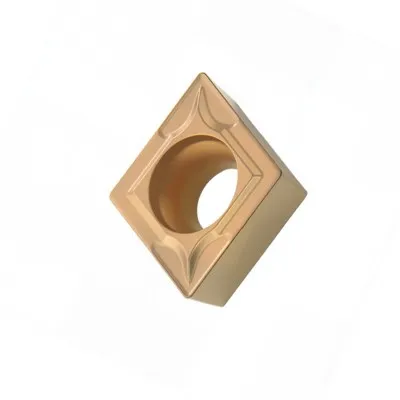
First off, let’s talk a bit about what a chamfer is and why you might want to create a custom angle. A chamfer is basically a beveled edge that’s cut into a material, usually at a 45-degree angle. But sometimes, you might need a different angle for a specific project. Maybe you’re working on a piece of furniture that requires a unique aesthetic, or you’re in the manufacturing industry and need a precise angle for a mechanical part. Whatever the reason, creating a custom chamfer angle is totally doable with the right chamfering tool.
Types of Chamfering Tools
There are a few different types of chamfering tools out there, and each one has its own strengths. The most common types are hand-held chamfering tools, bench-mounted chamfering machines, and CNC (Computer Numerical Control) chamfering tools.
Hand-held chamfering tools are great for small projects or when you need to make quick adjustments on the go. They’re portable and easy to use, but they might not be as precise as other tools. Bench-mounted chamfering machines, on the other hand, are more stable and offer greater accuracy. They’re ideal for larger projects or when you need to make a lot of chamfers. And if you’re looking for the ultimate in precision and automation, CNC chamfering tools are the way to go. These tools are controlled by a computer, which allows you to create extremely accurate and consistent chamfer angles.
Choosing the Right Tool for the Job
Before you start creating your custom chamfer angle, you need to choose the right tool for the job. Here are a few things to consider:
- Material: Different materials require different types of chamfering tools. For example, if you’re working with wood, you might want to use a hand-held chamfering tool with a sharp blade. If you’re working with metal, you’ll probably need a more heavy-duty tool, like a bench-mounted chamfering machine or a CNC tool.
- Angle: The angle of your chamfer will also determine the type of tool you need. Some chamfering tools are designed to create a specific angle, while others allow you to adjust the angle. If you need a custom angle, make sure you choose a tool that can be adjusted.
- Size: The size of your project will also play a role in choosing the right tool. If you’re working on a small piece, a hand-held tool might be sufficient. But if you’re working on a large project, you’ll probably need a bench-mounted or CNC tool.
Preparing Your Workspace
Once you’ve chosen the right tool for the job, it’s time to prepare your workspace. Here are a few steps to follow:
- Clean the surface: Make sure the surface you’re working on is clean and free of debris. This will help prevent the tool from slipping and ensure a smooth chamfer.
- Secure the material: If you’re using a hand-held tool, you’ll need to secure the material in place. You can use clamps or a vise to hold the material steady. If you’re using a bench-mounted or CNC tool, make sure the material is properly aligned and secured to the machine.
- Wear safety gear: Chamfering tools can be dangerous, so it’s important to wear the appropriate safety gear. This includes safety glasses, gloves, and ear protection.
Creating Your Custom Chamfer Angle
Now that you’ve prepared your workspace, it’s time to start creating your custom chamfer angle. Here’s how to do it:
- Set the angle: If your chamfering tool allows you to adjust the angle, set it to the desired angle. Make sure the angle is accurate by using a protractor or angle gauge.
- Test the tool: Before you start chamfering the actual material, it’s a good idea to test the tool on a scrap piece of the same material. This will help you get a feel for the tool and make any necessary adjustments.
- Start chamfering: Once you’re satisfied with the test, it’s time to start chamfering the actual material. Hold the tool firmly and apply even pressure as you move it along the edge of the material. Make sure to follow the angle you’ve set.
- Check the angle: As you’re chamfering, periodically check the angle to make sure it’s still accurate. You can use a protractor or angle gauge to do this.
- Finish the chamfer: Once you’ve chamfered the entire edge, use a sandpaper or file to smooth out any rough edges. This will give your chamfer a professional look.
Troubleshooting
Sometimes, things don’t go as planned when you’re creating a custom chamfer angle. Here are a few common problems and how to fix them:
- Uneven chamfer: If your chamfer is uneven, it could be because the tool is not being held at a consistent angle. Try to hold the tool more firmly and apply even pressure as you move it along the edge of the material.
- Chipping or cracking: If the material is chipping or cracking, it could be because the tool is too sharp or the angle is too steep. Try using a duller tool or a shallower angle.
- Inaccurate angle: If the angle of your chamfer is not accurate, it could be because the tool is not properly calibrated or the material is not properly secured. Make sure the tool is calibrated correctly and the material is secured firmly in place.
Conclusion
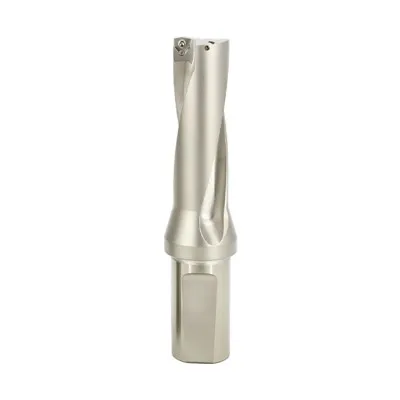
Creating a custom chamfer angle with a chamfering tool is not as difficult as it might seem. With the right tool, a little bit of preparation, and some practice, you can create beautiful and precise chamfers for your projects. Whether you’re a DIY enthusiast or a professional manufacturer, chamfering tools are a great addition to your toolbox.
Aluminum End Mills If you’re interested in purchasing a chamfering tool or have any questions about creating custom chamfer angles, feel free to reach out. We’re here to help you find the right tool for your needs and provide you with the support you need to get the job done right. Let’s start a conversation about your chamfering requirements and see how we can work together.
References
- "Machining Handbook"
- "Woodworking Basics"
Small Craftsman (Shandong) Machine & Tools Co., Ltd.
Small Craftsman (Shandong) Machine & Tools Co., Ltd. is one of the most experienced chamfering tool manufacturers and suppliers in China, also supports customized service with low price. Please feel free to buy bulk high quality chamfering tool in stock here from our factory. Contact us for pricelist.
Address: No.9 Quanxin Rd., Sishui Economic Developing Zone, Jining, Shandong, China.
E-mail: 6196@ocutchina.com
WebSite: https://www.ocutooling.com/
